
How should Physical AI be designed for everyday life?
A place to talk about Physical AI from the perspectives of industrial design and human–robot interaction. For now it focuses on robots used alongside people in everyday places such as homes, shops and hospitals, and will later widen to factories and other industrial settings.
What is Physical AI Design?
Physical AI Design is the work of shaping products that sense, decide and move on their own, so that people take them into everyday life and keep using them. It extends industrial design: to form, material and manufacture it adds the product’s behaviour, the space it shares with people, and the whole of its working life.
Engineering, research and the public each define physical AI differently, depending on where they stand. Here, the conversation starts from industrial design and human–robot interaction. The definition is still being worked out, so if you see it differently, please share your view.
Share your view ›This question began with two experiences.
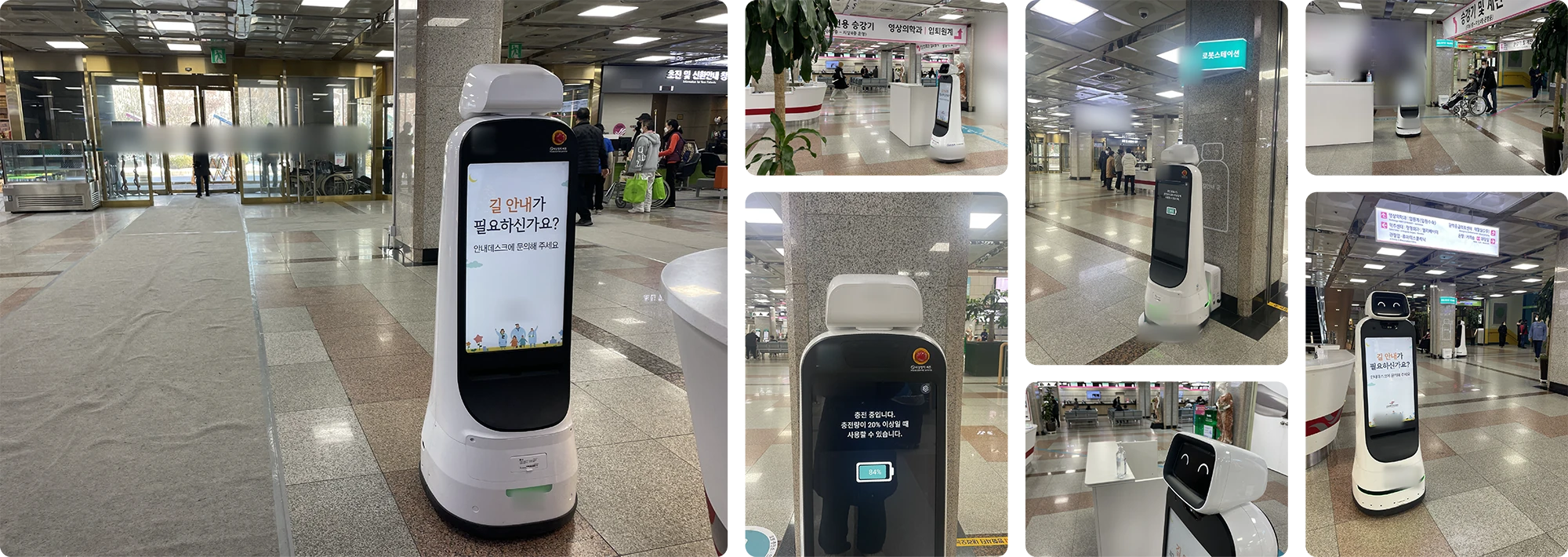 CASE 01
Over several months in a university hospital lobby, I never once saw anyone use the guide robots.
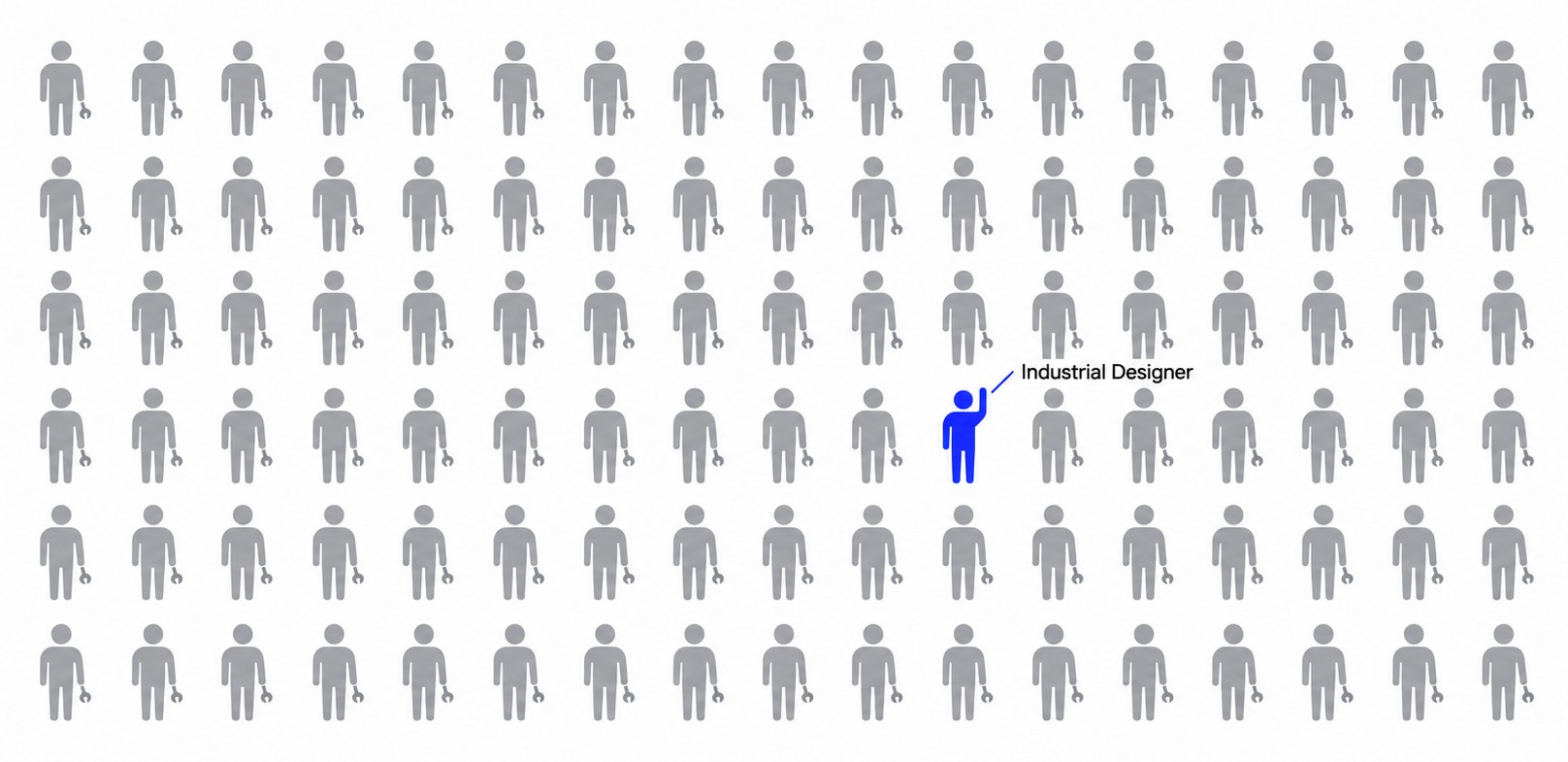 CASE 02
At one of Korea’s largest robotics companies, I was told that design meant one designer working on a robot’s exterior after its development was finished.
For Physical AI to truly settle into everyday life, the idea of design has to be reflected more broadly and more deeply. Because design is the most effective, proven tool we have for making technology stay in everyday life.
Seungbin Jeong, editor
Coming next
- Research NotesMethods, questions and progress from the research.